
“The best sauce in the world is hunger.” — Miguel de Cervantes, Don Quixote
As Halloween arrives and winter starts rattling the windows, it seems appropriate to resurrect an old study. This one comes from that strange period in human history known as the 1990s, when we rented movies from buildings and the internet announced its arrival by screaming through the telephone.
The subject is cannabis and taste. Specifically, whether getting high makes food taste better, or whether something more interesting is happening between the first bite and the decision that we have room for another.
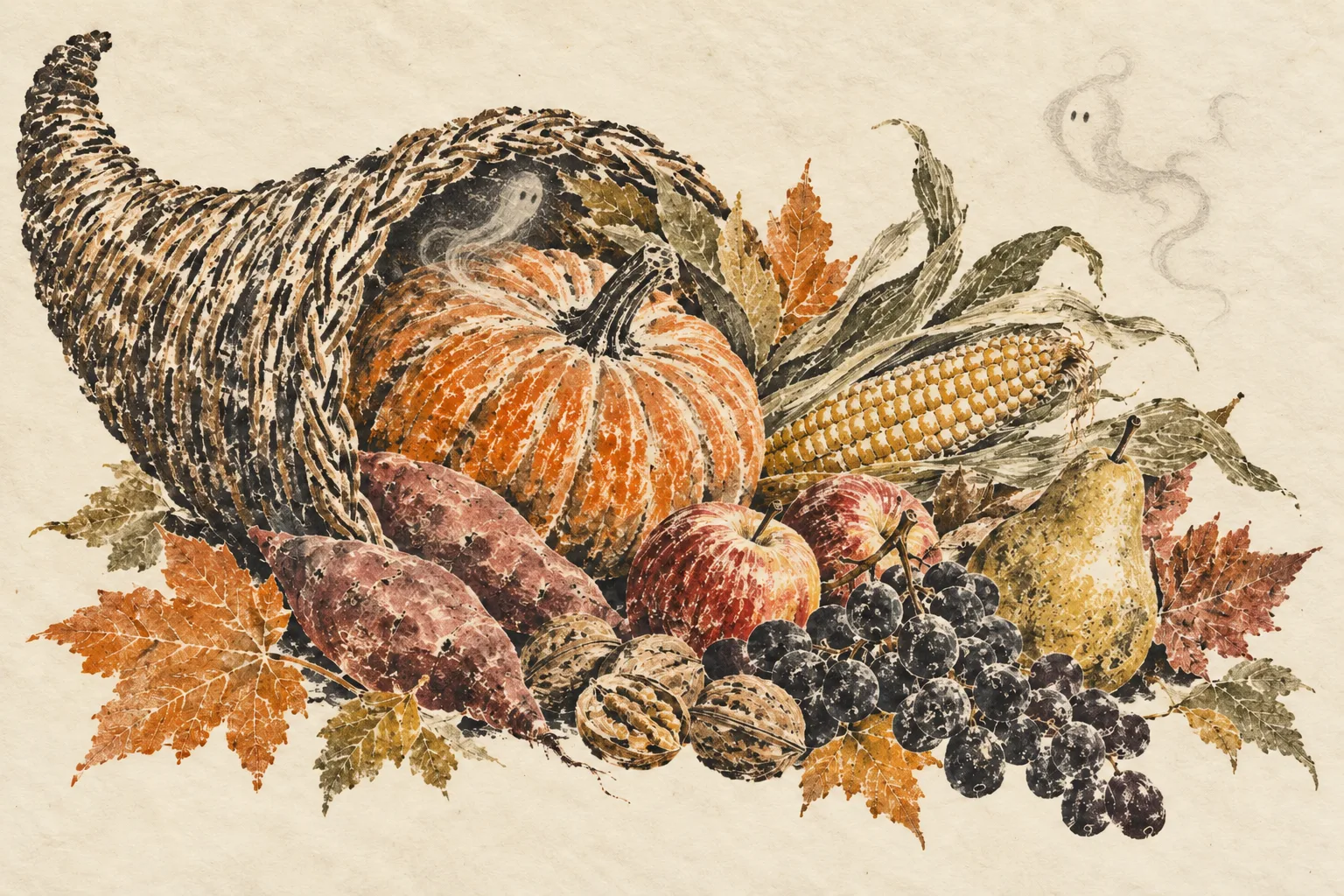
Growing up in California, I took the agricultural abundance around me for granted. These days, when I go back, I look forward to the seasonal harvests. I pay attention to what is ready and what I might miss. The seasons change, our appetites wander, and suddenly a squash becomes the most important cultural object in America.
It leaves me with questions. Why do pumpkin and sweet potatoes taste wonderful sometimes and merely orange at others? Why does candy seem better when you are wearing a costume? And if my adult cousin sips a THC beverage before a fall dinner, will he pursue the turkey, develop an unexpected attachment to the vegetables, or reserve his remaining gastrointestinal capacity for pie?
Some of the answer begins in the food preparation itself. Research on sweet potatoes shows that variety and cooking method affect their sugar composition. During cooking, enzymes can break starch down into sugars, including maltose. The difference between two servings can therefore be real chemistry, even before anyone reaches for the marshmallows. Thanksgiving has been conducting carbohydrate research for years, with remarkably little paperwork.
The costume question remains open. My suspicion is that anticipation and permission deserve some credit. A miniature candy bar eaten, while ducking beside the office printer has a different context of enjoyment from one acquired while dressed as an inflatable squirrel carcass.
In a 1994 study published in Chemical Senses, researchers investigated THC’s effects on taste intensity, pleasantness and saliva. Their main experiment involved 57 adults who used cannabis occasionally. Each received oral THC on one test day and a placebo on another, in a randomized, double-blind crossover design.
Participants rated sweet, sour, salty and bitter samples before dosing and at two, four and six hours afterward. The menu included sweetened cherry drink, salted tomato juice, lemonade and a bitter tonic-water preparation. They also adjusted drinks to their preferred taste concentration. This is how a snack break becomes a research protocol.
The investigators found no statistically significant THC-related changes in how intense the tested tastes seemed or how much participants liked them. Nor did the snack data establish a significant shift toward a particular taste category. Sweet and salty foods were popular on both treatment days.
If you follow that, please pause for a moment before declaring the munchies an elaborate fraud. Taste intensity, pleasure and food intake are different measurements. A person can eat more without detecting a stronger sweet taste. They can also enjoy an entire meal in ways that a rating of sweetened cherry drink does not capture.
The study had limitations. Oral absorption was unusually low and variable, although analyses of participants with detectable drug levels or a reported high still reported no significant taste effects. Smaller experiments explored other delivery routes. Umami, the savory taste, was not tested. These findings do not settle every dose, product or moment after consumption, and they cannot tell us exactly what a modern THC beverage will do at a family dinner.
Still, the result did not remain stranded in the age of dial-up. A small 2017 placebo-controlled crossover study involving ten healthy men also found no significant effect of low-dose inhaled THC or CBD on perceived sweetness or liking of sweet drinks. Small studies leave questions open, but they give us reason to be cautious about advertising cannabis as a universal upgrade for the tongue.
Part of the confusion comes from how casually we throw around words like “taste.” To researchers, it has a well-defined meaning, but to the average person it can mean whatever they want. In science, flavor involves smell, texture and temperature as well as basic tastes. Pumpkin pie arrives with spice aromas, a soft filling and a crust that may or may not justify the family’s annual argument about who makes it best.
The 1994 authors suggested that memory and cognitive effects might help explain reports of enhanced taste. That was a proposed explanation, not a demonstrated mechanism. Their experiment did not measure the full experience of a holiday meal, or our emotional attachment to pie à la mode. No one assigned a numerical score to the pleasure of being back in a familiar kitchen.
An earlier 1988 residential laboratory study offers a clue. Six adult men consumed about 40 percent more calories during active cannabis-smoking conditions than during placebo conditions. The increase came from more frequent snacking; calories consumed at meals did not change significantly. Sweet solid snacks, such as candy bars, accounted for the principal increase among snack types.
Six men smoking cannabis in a laboratory cannot forecast the fate of every Thanksgiving dessert, much less predict my cousin’s response to a THC drink. Together, these experiments suggest we should investigate wanting another high-calorie-snack separately from tasting more sweetness.
I would keep an eye on the pie, while acknowledging that this is a family prediction rather than a scientific conclusion.
The next time you or a friend consumes cannabis before a meal, pay attention to the experience. Does the food seem sweeter? Do its aromas hold your attention? Are you enjoying each bite more, or returning for another bite sooner? You do not need to turn dinner into a clinical trial. Most families already have enough data discussed at the table to publish novel findings in a psychiatry research journal.
I like the possibility that returning to California has taught me to notice what was there all along. A seasonal harvest gives me something to anticipate. A familiar dish gives me something to remember. Cannabis may be part of someone’s evening, but the food and the occasion already have plenty going on.
And if the sweet potatoes are especially good this year, compliment the cook before crediting the cannabinoid.
Sign up for Text Notifications and get Special Offers and Savings!

© 2026 VALLEY WELLNESS All rights reserved. | Privacy Policy | Terms of Service | Accessibility Statement